Below is a resource from the internet that has been widely spread as fact. It may or may not be a trustworthy source of information. It is your job to figure that out.
Collect three pieces of evidence of the reputability of each source by selecting elements on the page. You can view the number of selected items at the bottom of the page. Once you have selected your evidence, submit your final verdict to view the results.
All external links have been removed from each source. Links are now denoted with an underline followed by the original destination in [brackets].

 Profile
Home
Profile
Home
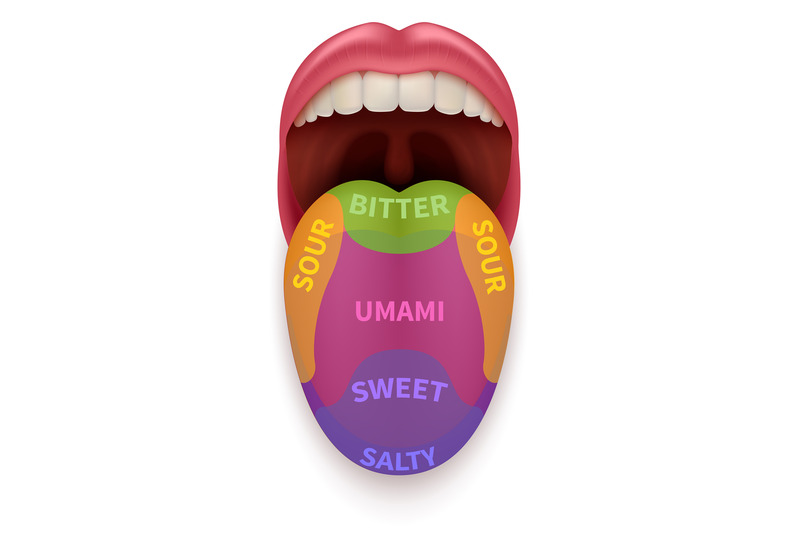 Scientists have just recently developed brand new technology used to show which zones of your tongue are active when eating. They call this method "sensitivity mapping." The tongue can show your taste preferences, and your brain can make decisions about the food you eat.
The new "taste" map shows the areas of taste that you actually taste, based on the unique characteristics of each taste zone. I love the idea of this technology!
Scientists have just recently developed brand new technology used to show which zones of your tongue are active when eating. They call this method "sensitivity mapping." The tongue can show your taste preferences, and your brain can make decisions about the food you eat.
The new "taste" map shows the areas of taste that you actually taste, based on the unique characteristics of each taste zone. I love the idea of this technology!