This is not a credible source of information. Check down below to see why!
ProfileHome
Facebook (now Meta) is not always a poor source of information, but it is generally good practice to avoid all social medias for gathering credible information. According to a 2020 study by New York University and the University Grenoble Alpes in France, "news publishers known for putting out misinformation got six times the amount of likes, shares, and interactions on [Facebook] as did trustworthy news sources, such as CNN or the World Health Organization." (Elizabeth Dwoskin, The Washington Post). Read the full article here.
Karen Smith, M.D. 3 Hours
Social medias usually allow you to put anything you want as your public name, like putting "M.D." on the end of your last name to appear more credible. This person is not real, let alone a doctor of medicine. In fact, even the profile picture is an A.I. generated image. This is a common tactic by spreaders of disinformation. They create bot accounts using fake names and images to spread false information, often politically charged. If a post and account seems suspicious, more research is required to verify the information being presented.
Fun Fact of the Day:
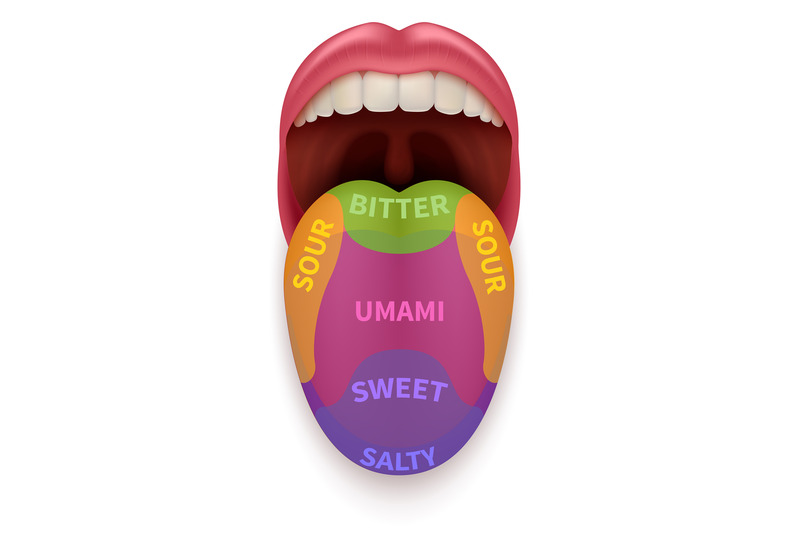
Your tongue has six different taste zones that each correspond to a flavor profile in foods. Scientists have just recently developed brand new technology used to show which zones of your tongue are active when eating. They call this method "sensitivity mapping." The tongue can show your taste preferences, and your brain can make decisions about the food you eat.The new "taste" map shows the areas of taste that you actually taste, based on the unique characteristics of each taste zone. I love the idea of this technology!
The image above, and others like it that depict a "taste map" of your tongue, is misinformation that has been spread for over 120 years and still continues to confuse people worldwide. The original German study done in 1901 is actually a valid study, but the results were presented in a way that was easily misinterpreted by the public. Read more here from the Smithsonian Magazine.
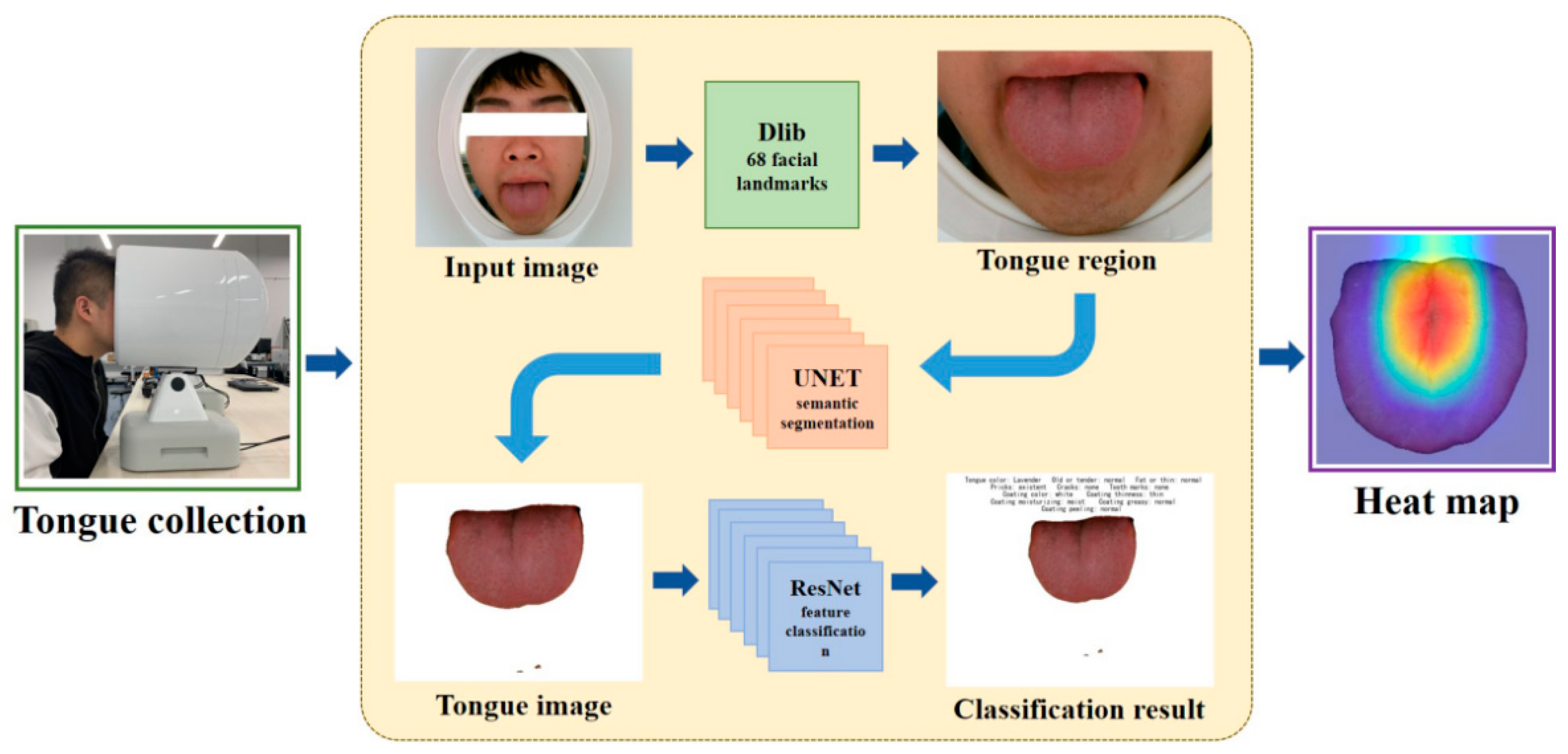
This image actually has nothing to do with the claims in the post. A quick reverse image search will reveal that this image is from a study done on classifying tounge structures, and how this could be useful technology for reducing misdiagnoses in Traditional Chinese Medicine. Read the full study here from MDPI Journals. In social media posts like this one, be aware of unnecessarily complex, or out of context, charts and graphs used to confuse the reader into assuming undue credibility.
Tongue collection for sensitivity mapping works by imaging your tongue and comparing it to a set of control images. "If there's a different region that appears as the most sensitive in the map, it means that that region is actually the one that is responsible for the response," says Professor Peter Davis, who led the study. Davis explains the findings as a way to help "guide health decisions" by helping "guides" the "health" of their food choices. For example, if a consumer is more sensitive to salt, they will know that they should add salt to their diet.
You may have noticed that the grammar in this post is a little strange. That is because the entire thing was A.I. generated. Generating entire books worth of fake information is possible in mere seconds with A.I. generation. It is often used for parody sites, but the technology is available to anyone for any purpose, innocent or otherwise.


 Profile
Home
Profile
Home